Indiramma House Construction Stages and Fund Release Process
IndirammIndiramma House Construction Stages and Fund Release Process The Indlu scheme helps poor and homeless families in Telangana build a safe and permanent home. After selection, many beneficiaries want to know when the house money will be released.
The amount is not usually given at once. It is released in stages based on construction progress. Each stage is inspected and verified before the next payment is approved.
This guide explains the 4 payment stages, inspection process, required documents, common delay reasons, and simple steps to receive funds smoothly.
What Is the IndWhat Is the Indiramma Indlu Scheme?iramma Indlu Scheme?
Indiramma Indlu is a housing scheme by the Telangana government. The main goal of this scheme is to support eligible poor and homeless families in building permanent houses.
Many families in Telangana still live in temporary houses, rented rooms, or unsafe living conditions. Some families have their own small plot but do not have enough money to build a proper house. The Indiramma Indlu scheme is designed to help such families by giving financial support for house construction.
Under the scheme, eligible beneficiaries may receive financial assistance of ₹5 lakh for building a house. This amount is meant to support the construction of a permanent house, mainly for families who do not already own a pucca house.
The scheme is especially helpful for economically weaker families. For people who already have their own plot, the assistance can be used to construct a house on that land. For eligible landless families, local rules and government decisions may also include support related to house sites.
The scheme is especially helpful for economically weaker families. For people who already have their own plot, the assistance can be used to construct a house on that land. For eligible landless families, local rules and government decisions may also include support related to house sites.
The exact process may depend on local verification, beneficiary selection, land details, and government guidelines. That is why beneficiaries should always check their latest status through official channels or local housing officials.
Why the Fund Is Released in Stages
Many people think that once their name is approved, the full ₹5 lakh will come directly into their bank account. But that is not how the process usually works.
The Indiramma Housing Scheme Event highlights that the house amount is released in stages because the government wants to ensure the funds are used for actual house construction. This phased payment system helps prevent misuse of public money, allows officials to monitor construction progress at every stage, and ensures that beneficiaries complete their homes according to the scheme guidelines.
If the full amount is released at once, some houses may remain incomplete. Some beneficiaries may use the money for other urgent needs. Some fake claims may also become difficult to control. Stage-wise payment helps reduce these problems.
In this system, the beneficiary completes one construction stage first. Then officials visit the site or verify the stage through the official process. After approval, the next installment is released.
So the basic idea is simple:
Build one stage, get it verified, receive the installment, and then move to the next stage.
This process also helps maintain accountability. It allows the government to check whether the house is being built at the approved location and whether the construction is actually moving forward.
Total Financial Assistance Under the Scheme
The total financial assistance under the Indiramma Indlu scheme is generally ₹5 lakh for eligible beneficiaries. This amount is released in parts based on house construction progress.
The ₹5 lakh support is not a loan in the normal sense. It is financial assistance or subsidy support under the housing scheme, subject to eligibility and approval.
However, beneficiaries should understand one important point. The scheme amount may not cover every single cost of construction in all situations. Construction costs can change depending on location, material price, labor charges, house size, soil condition, and finishing quality.
That is why families should plan carefully before starting the house. They should understand how much work can be completed at each stage and how they will manage expenses between installments.
Indiramma House Fund Release Stages
The fund release is divided into 4 main stages. Each stage is connected with a specific construction milestone.
Each stage is checked before the related amount is released. Let us understand each stage in detail.
Basement Level
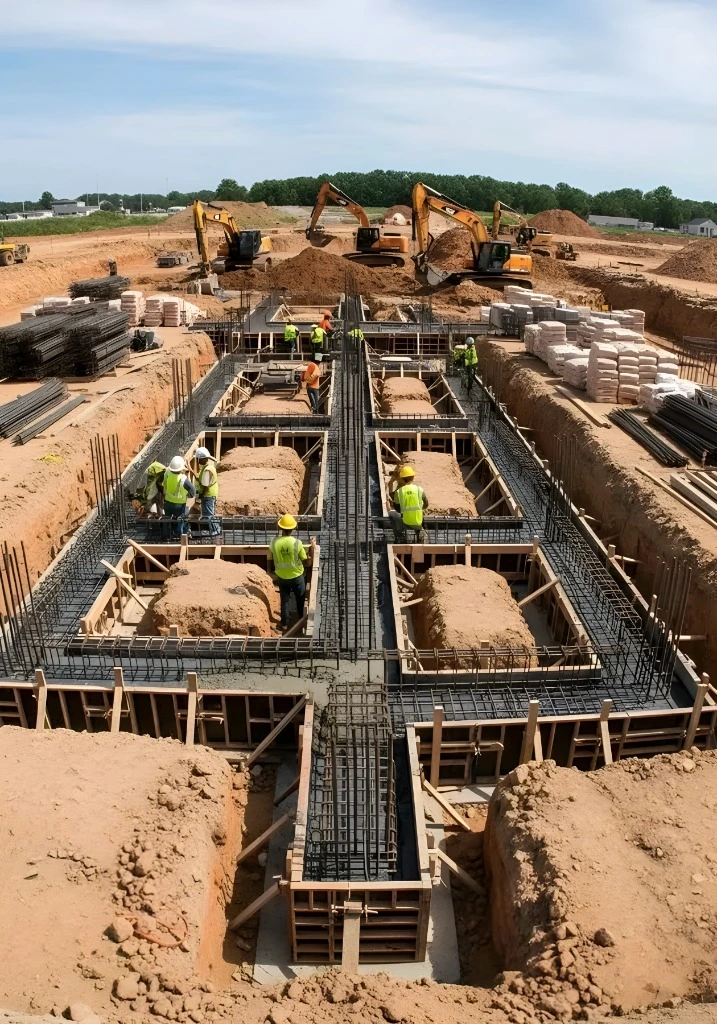
The first construction stage is the basement level. This is the early foundation stage of the house.
At this point, the beneficiary should start construction at the approved site. The basic foundation or basement-related work should be completed as required. This stage proves that the beneficiary has actually started building the house.
The expected fund release at this stage is ₹1,00,000.
This amount helps the beneficiary continue the construction after the base work. It may support expenses like foundation work, early masonry, labor, cement, sand, stone, bricks, and other basic construction needs.
During this stage, officials may check whether the house is being built on the correct site. They may also verify the beneficiary’s identity, plot location, and early construction progress.
Beneficiaries should make sure they do not build the house at a different location without approval. During the Indiramma House Construction Stages and Fund Release Process, officials verify whether construction is taking place on the approved site. If the location does not match the approved records, fund verification may fail, and the payment release can be delayed or even stopped. Therefore, beneficiaries should always follow the approved site details and obtain permission before making any location changes.
What Officials May Check at Basement Level
At the basement stage, officials may check whether construction has started properly. They may look at the foundation, site location, and early structure.
They may also capture photographs and location details. These photos help prove that the construction is real and linked to the correct beneficiary.
The officer may check whether the name, Aadhaar details, application record, and construction location match the approved information.
This is why beneficiaries should keep their basic documents ready. If the officer visits and the beneficiary is not available, the inspection may be delayed.
Roof Level or Walling Stage
The second stage is known as the roof level or walling stage. At this point, the walls of the house should be raised to the required level.
This means the construction has moved beyond the foundation. The house is now taking shape. The wall structure should be visible, and the work should show clear progress.
The expected fund release at this stage is ₹1,00,000.
This installment helps the beneficiary continue work toward roof construction. It may support expenses like brickwork, cement, sand, labor, lintel work, and other structure-related costs.
At this stage, officials check whether the walling work is actually completed up to the required level. They may take photos and update the progress in the system.
If the walls are incomplete or the construction does not match the claimed stage, payment may not be released immediately.
What Beneficiaries Should Remember at Walling Stage
The walling stage is important because it shows the house is moving toward the roof stage. Poor-quality wall work can create problems later.
Beneficiaries should try to use proper material and skilled labor. Walls should be aligned properly and built safely. Door and window openings should be planned carefully.
Do not rush construction only to get the next payment. A weak structure can create long-term safety problems.
If you are unsure about the quality of work, speak to an experienced mason or local technical staff before moving to the next stage.
Roof Casted Stage
The third stage is the roof casted stage. This is one of the most important and costly stages in house construction.
The third stage is the roof casted stage. This is one of the most important and costly stages in house construction.
The expected fund release at this stage is ₹2,00,000.
This is usually the highest installment because roof casting requires more money. It may include expenses like cement, steel, sand, metal, labor, centering work, shuttering, concrete, and other roof-related material.
Roof casting is a major milestone because after this stage, the house becomes much closer to completion. The structure is more secure, and the remaining work usually includes plastering, flooring, doors, windows, toilet, kitchen, electrical work, and finishing.
Why Roof Casted Stage Gets a Higher Installment
The roof stage gets a higher amount because it is expensive. Slab work needs strong material and proper labor. It also needs careful planning.
Before roof casting, check that the walls are strong, steel is placed properly, shuttering is safe, and the mason understands the work.
After roof casting, give the slab proper curing time. Water curing helps strengthen the concrete. Many people ignore this step, but it is very important for long-term durability.
Completed House Stage
The fourth and final stage is the completed house stage. This means the house should be completed in all major aspects and ready for living.
The expected fund release at this stage is ₹1,00,000.
At this stage, officials may check whether the house is complete. They may look at the structure, roof, walls, doors, windows, basic finishing, toilet, kitchen, and overall living condition.
The final installment helps the beneficiary complete pending work and close the construction process.
The meaning of “completed in all aspects” may depend on local inspection and scheme rules. But in general, the house should not be just a structure with walls and a roof. It should be safe and usable.
Simple Table of Indiramma House Payment Stages
Stage
Construction Status
Expected Fund Release
Stage 1
Basement level completed
₹1,00,000
Stage 2
Roof level / walling stage reached
₹1,00,000
Stage 3
Roof / slab casted
₹2,00,000
Stage 4
House completed in all aspects
₹1,00,000
Total
Complete house construction
₹5,00,000
This table makes the process easy to understand. The money is connected with construction progress. If the stage is not completed and verified, the next amount may not be released.
How the Fund Release Process Works
The fund release process follows a step-by-step method. It is not only about completing construction. The stage must also be verified and approved.
Here is the simple process:
The beneficiary starts house construction.
The house reaches the required construction stage.
Local officials or field staff inspect the site.
The officer captures stage-wise photos and location details.
The officer captures stage-wise photos and location details.
The stage is verified through the official process.
Payment approval is processed.
The installment is released to the beneficiary’s bank account.
This process may take some time. Beneficiaries should not expect instant payment on the same day the stage is completed.
Payment depends on inspection, data update, approval flow, bank processing, and local administrative timelines.
Role of Official Inspection
Inspection is a key part of the Indiramma house fund release process. Without inspection, the department may not know whether the construction stage is actually complete.
The officer’s job is to check the ground reality. They may verify the beneficiary, the site, the stage, and the photos.
If everything is correct, the stage can move forward for payment processing.
Inspection also protects genuine beneficiaries. It makes sure that funds go to people who are actually building houses.
Beneficiaries should cooperate during inspection. They should be available at the site or keep someone informed. They should also make sure the house can be clearly seen for photo verification.
Role of Geo-Tagged Photos
Geo-tagged photos are very important in modern housing schemes. A geo-tagged photo includes location information. It helps show where the photo was taken.
This helps officials confirm that the house is being built at the approved location.
For example, if someone tries to show another person’s house as their own, geo-tagging can help detect the mismatch. It also helps the department monitor construction progress stage by stage.
For example, if someone tries to show another person’s house as their own, geo-tagging can help detect the mismatch. It also helps the department monitor construction progress stage by stage.
The official app may be used by government staff for survey, geo-coordinates, construction progress photos, and monitoring.
Beneficiaries should not worry about the technical side. They only need to make sure that the site is accessible, construction is visible, and details are correct.
Bank Account and Payment Transfer
The fund is generally transferred to the beneficiary’s bank account after approval. That is why correct bank details are very important.
If the bank account is inactive, blocked, closed, or not linked properly with the beneficiary details, the payment may fail or get delayed.
Beneficiaries should check these points:
Bank account is active
Name in bank account matches official records
Aadhaar details are correct
Mobile number is active
Passbook details are clear
Account is not closed or frozen
If there is any mistake, it is better to correct it early. Do not wait until the payment is stuck.
Documents Beneficiaries Should Keep Ready
Keeping documents ready can save time during inspection and verification. Beneficiaries should keep both original and copies if possible.
Useful documents may include:
Aadhaar card
Application ID or application receipt
Registered mobile number
Bank passbook
Food Security Card, if applicable
Land or plot-related document, if available
Beneficiary selection details
Recent construction photos
Local approval or verification papers, if given
Any previous communication from officials
Not every document may be required every time. But having them ready helps avoid confusion.
What to Do Before Starting Construction
Before starting construction, beneficiaries should confirm their selection and approval status. Starting work without clarity can create problems.
First, check whether your name is selected. Then confirm whether your application details, site details, Aadhaar, mobile number, and bank information are correct.
If you have any doubt, visit the local office and ask before starting. It is better to clear confusion early than face payment problems later.
Also, plan your construction according to the stage-wise fund release. Since the full amount is not released at once, you may need to manage some expenses between stages.
Speak with your mason about the expected stages. Explain that the government payment will come after inspection. This helps avoid misunderstanding with workers and material suppliers.
How to Plan Construction According to Installments
Good planning can reduce stress. Many families start construction quickly but later struggle because they did not plan material, labor, or payment timing.
Before construction starts, prepare a simple budget. Write down the expected cost for foundation, walls, roof, doors, windows, plastering, flooring, toilet, kitchen, and electrical work.
Then compare it with the stage-wise fund release.
Remember, the government assistance is released after completing each stage. So you may need some initial money to start the first stage. You may also need to manage expenses until the next installment comes.
Do not spend too much on decoration in the early stages. Focus first on the strong structure, safe roof, toilet, kitchen, and basic living needs.
Common Reasons for Indiramma Fund Release Delay
Payment delays can happen even after construction progress. Sometimes the delay is due to official processing. Sometimes it happens because of beneficiary-side issues.
Here are the most common reasons.
Stage Not Updated in the System
If the officer has not updated the stage in the system, the payment may not move forward.
Sometimes the inspection is done, but the online update takes time. Sometimes the officer may need to revisit the site if the photo is unclear.
Beneficiaries can ask local staff whether their stage has been uploaded and approved.
Incomplete Construction Stage
If the beneficiary says the stage is complete but officials find incomplete work, the installment may be delayed.
For example, if the walls are not raised properly, the second stage may not be approved. If the roof is not actually casted, the roof stage payment may not be processed.
Complete the stage properly before requesting inspection.
Wrong Bank Details
Bank detail errors are a common reason for payment problems. If the account number, IFSC, name, or Aadhaar-linked details are wrong, payment may fail.
Beneficiaries should check their passbook and records carefully. If any correction is needed, submit it through the proper local process.
Aadhaar or Name Mismatch
If the name in Aadhaar, application, and bank account does not match, it can create delays.
Small spelling differences may also cause confusion in some cases. It is better to correct mismatched details as early as possible.
Geo-Tagging or Photo Issue
If the photo is blurred, incomplete, or not properly linked to the location, verification may take more time.
Sometimes officials may need to capture the photo again. Keep the site clear and accessible when inspection happens.
Application Still Under Review
If the application is still under review or has an objection, payment may not be released.
Beneficiaries should check their status and contact local officials if the application is pending for a long time.
Local Approval Delay
Some payments may take time due to local approval flow. Files may move through village, mandal, municipal, district, or department-level checks.
This does not always mean there is a problem. But if the delay is long, the beneficiary should follow up politely with the local office.
How to Check Indiramma Application Status
Beneficiaries can check their application status through the official Indiramma Indlu portal or related government channels.
Usually, application details may be searched using information such as:
Aadhaar number
Registered mobile number
Application ID
Food Security Card number
After entering the correct details, the beneficiary may be able to see application-related information. The exact details shown may depend on the portal and current system updates.
If online status is not clear, visit the local housing office, gram panchayat, ward office, or municipal office for help.
What to Do If Payment Is Not Released
If your construction stage is complete but payment is not released, do not panic. First, find out where the issue is.
Follow these steps:
Check whether the stage is actually complete.
Ask whether inspection has been done.
Confirm whether photos were uploaded.
Check whether the stage is approved in the system.
Verify your bank account details.
Check if your application has any objection.
Visit the local office if status is not updated.
Keep your application ID and Aadhaar details ready.
Do not depend only on rumors. Always confirm from official sources or local housing staff.
Tips to Avoid Fund Release Problems
Here are practical tips that can help beneficiaries avoid payment delays:
Build only at the approved site.
Do not change the plot without permission.
Keep your mobile number active.
Keep Aadhaar and bank details correct.
Use the same beneficiary details everywhere.
Be available during inspection.
Keep construction stage clearly visible.
Follow local officer instructions.
Do not submit wrong information.
Check status regularly.
Keep copies of important documents.
Maintain basic construction quality.
These simple steps can make the process easier.
Quality Tips for House Construction
The goal of the scheme is not just to complete paperwork. The goal is to build a safe house.
A house should be strong enough to protect the family from heat, rain, wind, and unsafe living conditions.
Here are some basic construction tips:
Use a proper foundation. Do not make the base weak to save money. A weak foundation can damage the whole house later.
Use good cement, sand, bricks, and steel. Low-quality material may look cheaper at first but can become costly later.
Plan ventilation. A house should have enough air and light. Poor ventilation can make the house uncomfortable.
Build a proper toilet. A safe toilet is important for health, privacy, and dignity.
Plan the kitchen carefully. Smoke, water, and drainage should be handled properly.
Do not ignore roof curing. After slab work, water curing is important for strength.
Why Beneficiaries Should Not Rush the Work
Some beneficiaries rush construction because they want the next installment quickly. But rushing can cause mistakes.
If the foundation is weak, walls may crack. If the roof is not casted properly, leakage may happen. If finishing is done poorly, the house may need repairs soon.
It is better to build slowly and safely than to complete weak work quickly.
Also, if the construction does not meet the required stage, officials may not approve it. So rushing without proper completion may not even help with payment.
Role of Local Officials
Local officials play an important role in the Indiramma house process. They may help with survey, verification, inspection, stage updates, and beneficiary guidance.
Beneficiaries should maintain clear communication with them. Ask questions politely. Keep your documents ready. Follow the correct process.
If there is any mistake in your record, ask how to correct it. Do not ignore errors.
Local officials may also guide you about when inspection can happen and what stage is required for payment.
Important Mistakes Beneficiaries Should Avoid
Many delays happen because of small mistakes. Avoid these common error
Do not build on a different site without approval.
Do not give wrong bank details.
Do not use someone else’s documents.
Do not ignore inspection calls.
Do not ignore inspection calls.
Do not assume payment will come without stage verification.
Do not assume payment will come without stage verification.
Do not leave construction incomplete after receiving an installment.
Do not spend the installment on non-construction needs if it affects house progress.
Do not depend on unofficial agents who promise faster approval.Do not depend on unofficial agents who promise faster approval.
Do not share OTP, bank password, or sensitive details with unknown people.
Safety and Fraud Awareness
Beneficiaries should be careful about fraud. Government housing schemes often attract middlemen and fake agents.
No one should ask you for money to release your installment. If someone claims they can “guarantee payment” for a fee, be careful.
Always deal with official staff and official channels. Do not share your Aadhaar copy, bank details, OTP, or personal information with unknown people.
If you receive suspicious calls or messages, verify with the local office before taking action.
Indiramma House Process in Simple Words
Here is the whole process in very simple language:
You start building the house at the approved site.
You complete the basement level.
Officials inspect and verify it.
You receive the first installment.
Officials verify the roof stage.
You receive the third installment.
You complete the house.
Officials do final verification.
You receive the final installment.
That is the basic journey from selection to completion.
Why Stage-Wise Payment Is Good for Beneficiaries
Stage-wise payment may feel slow, but it also has benefits.
It helps beneficiaries stay focused on construction. It reduces the risk of incomplete houses. It also helps the government track progress and support genuine families.
For many families, the scheme amount gives confidence to start construction. Without stage-wise support, they may never be able to build a permanent house.
The system also creates a record of construction progress. This can help avoid confusion later.
Final Checklist for Beneficiaries
Before starting or continuing construction, use this simple checklist:
My name is selected.
My application details are correct.
My Aadhaar details are correct.
My bank account is active.
My mobile number is working.
My construction site is approved.
I have basic documents ready.
I understand the 4 payment stages.
I know inspection is required.
I will not change the site without approval.
I will follow up if my stage is not updated.
I will keep the house quality safe.
This checklist can help you avoid common problems.
FAQs
Indiramma Indlu is a Telangana government housing scheme that supports eligible poor and homeless families in building permanent houses.
Eligible beneficiaries may receive ₹5 lakh financial assistance for house construction, based on approval and scheme rules.
No. The amount is released in stages according to construction progress and official verification.
How much is released at basement level?
The main stages are basement level, roof level or walling stage, roof casted stage, and completed house stage.
The expected fund release at basement level is ₹1,00,000 after verification.
The expected fund release at roof casted stage is ₹2,00,000, which is usually the highest installment.
Payment may be delayed due to incomplete inspection, stage not updated, bank detail error, Aadhaar mismatch, unclear geo-tagged photos, or pending approval.
Yes, officials may use geo-tagged photos and construction progress photos for verification and monitoring.
Check your application status, confirm stage inspection, verify bank details, and contact local housing officials for help.
Conclusion
The Indiramma house construction and fund release process is simple when you understand the stages. The amount is not released at one time. It is released step by step after construction progress is verified. The 4 main stages are basement level, roof level or walling stage, roof casted stage, and completed house stage. The total assistance is generally ₹5 lakh, released in installments linked with these stages. Beneficiaries should focus on proper construction, correct documents, active bank accounts, and timely inspection. They should also avoid rumors and depend only on official information. For a poor family, a house is more than a building. It is a place of safety, dignity, and hope. If beneficiaries follow the process carefully, keep their documents ready, and complete each stage properly, the fund release journey becomes much easier.
Indiramma House Construction Stages and Fund Release Process Indiramma Many people who get selected under the Indiramma Indlu housing scheme have one common question: “When will the money be released?” The answer is simple. The full amount is not usually given at once. The money is released step by step, based on the construction progress…
ADA Atal Residential Scheme How to Apply Plot price Details Indiramma The ADA Atal Residential Scheme 2025 is a major housing and plotted development initiative launched by the Agra Development Authority (ADA) to provide affordable and well-planned residential plots for citizens in Agra and nearby regions. With increasing demand for housing and rapid urban development,…
MCD SUNIYO One Time Property Tax Amnesty Scheme Apply detail IndirammaThe MCD SUNIYO 2025 – One Time Property Tax Amnesty Scheme is a major relief initiative introduced by the Municipal Corporation of Delhi to help property owners clear their pending tax dues without facing heavy penalties. Many property holders often delay payments due to financial…
Kalaignar Kanavu Illam Scheme 2026: Apply & Benefits Details IndirammaThe Kalaignar Kanavu Illam Housing Scheme 2026 is an important initiative launched by the Government of Tamil Nadu to provide safe and permanent housing to economically weaker families. This scheme focuses on replacing kutcha (temporary) houses with pucca (permanent) homes, ensuring better living conditions and long-term…
Check Geo Tag House List Assam Confirm Beneficiary Details IndirammaGeo Tag House List Assam 2026 is an important digital record introduced by the government to bring transparency and accuracy to rural housing schemes. This system is mainly linked with housing programs like Pradhan Mantri Awas Yojana Gramin where houses built for beneficiaries are verified using…
Awas Plus 2024 Power BI Dashboard Real Time Reporting Survey Indiramma The Awas Plus 2024 initiative is a major step forward in India’s housing data management system under the Pradhan Mantri Awas Yojana (PMAY). With increasing demand for transparency and accuracy, the government has introduced advanced digital tools like Power BI dashboards for real-time reporting…