Awas Plus 2024 Power BI Dashboard Real Time Reporting Survey
Indiramma The Awas Plus 2024 initiative is a major step forward in India’s housing data management system under the Pradhan Mantri Awas Yojana (PMAY). With increasing demand for transparency and accuracy, the government has introduced advanced digital tools like Power BI dashboards for real-time reporting and survey analysis.
In 2024–2025, the integration of Power BI into Awas Plus has transformed how housing data is collected, analyzed, and displayed. Instead of manual reports, authorities now use interactive dashboards that provide instant insights into beneficiary surveys, progress tracking, and scheme performance.
This modern approach improves decision-making, reduces errors, and ensures that housing benefits reach the right people efficiently.
What is Awas Plus 2024?
Here is a natural way to adjust the keywords into the paragraph:
Awas Plus 2024 Power BI is a digital extension of the PMAY-G (Pradhan Mantri Awas Yojana – Gramin) system. It is designed to identify additional eligible households that were left out of the original survey. Through the Awas Plus 2024 Power BI Dashboard, government authorities can monitor survey progress, beneficiary data, and real-time reporting more efficiently. Similar to housing welfare initiatives such as Indiramma Housing Scheme, the platform helps ensure that deserving families are identified and included in government housing programs through a transparent and data-driven process.
The main goal of Awas Plus is to ensure that every deserving family gets access to housing benefits. It collects updated survey data from rural and semi-urban areas and stores it in a centralized system.
In 2024, the platform became more advanced with the introduction of real-time dashboards powered by business intelligence tools like Power BI.
What is Power BI Dashboard in Awas Plus?
Power BI is a data visualization tool developed by Microsoft. It helps convert raw data into interactive charts, graphs, and reports.
In Awas Plus, the Power BI dashboard is used to display:
This makes it easier for government officials to understand large amounts of data quickly.
Instead of reading long reports, they can now view visual dashboards that update in real time.
Importance of Real-Time Reporting
Real-time reporting is one of the most powerful features of the Awas Plus Power BI system. It means that data is updated instantly as soon as new information is entered into the system.
This is important because:
For example, if a survey is completed in a village, the dashboard immediately reflects the update without waiting for manual reporting.
Awas Plus Survey Report System
The survey report system in Awas Plus is the foundation of beneficiary selection. Field officers collect data from households and upload it to the system.
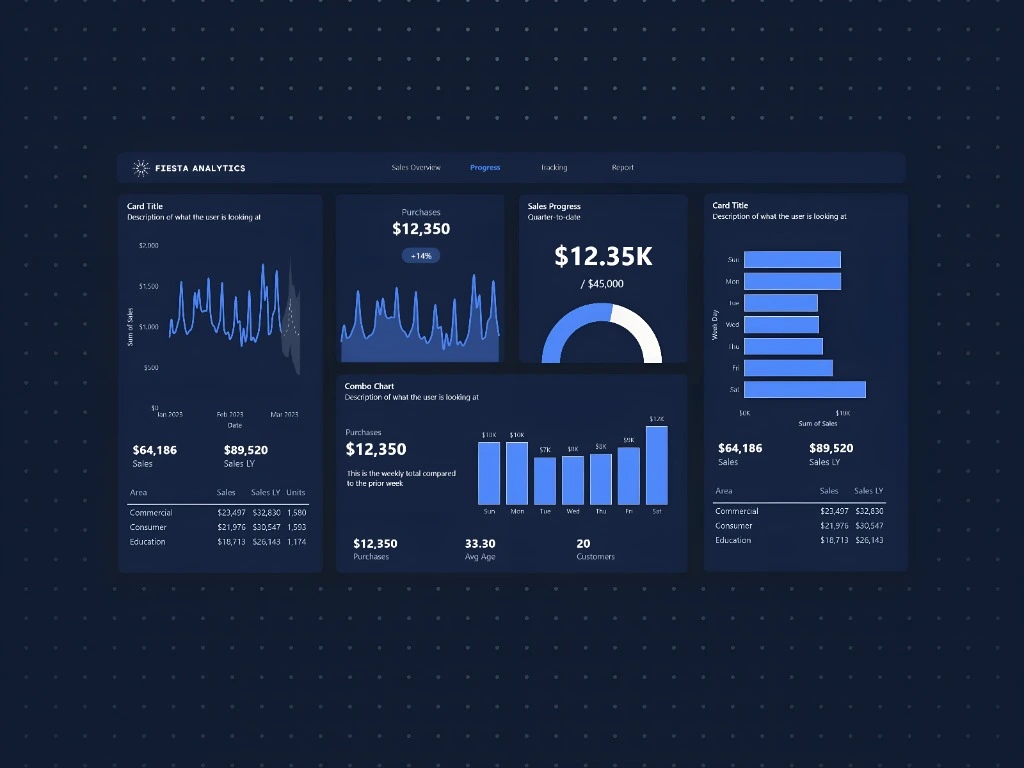
Once collected, this data is analyzed using Power BI dashboards to determine which families qualify for housing assistance.
The survey report ensures that no eligible family is left behind and that benefits are distributed fairly.
How Power BI Improves Housing Data Management
Before digital dashboards, data was managed through spreadsheets and manual reports. This often caused delays, errors, and duplication.
Now, with Power BI integration, the process has become much more efficient:
Data is displayed in charts and graphs, making it easy to understand.
Officials can quickly identify issues and take action.
Automated data processing reduces human errors.
All data is stored in one platform, avoiding confusion.
Changes are reflected instantly across the system.
Key Features of Awas Plus Power BI Dashboard
The dashboard includes several useful features designed for monitoring and analysis:
Users can view state-wise, district-wise, and village-wise data.
Officials can filter data based on location, category, or progress stage.
Data changes are reflected immediately.
Progress of field surveys can be monitored live.
Lists of eligible and pending households are available in detail.
How Survey Data is Collected
The Awas Plus system relies on field-level surveys conducted by trained officials.
This data is then processed in the Power BI dashboard for analysis.
Role of Technology in Awas Plus 2024
Technology plays a major role in improving housing schemes. In 2024, the use of digital tools like Power BI, mobile apps, and cloud storage has made the system more efficient.

Some key technological benefits include:
These improvements help government departments manage large-scale housing programs more effectively.
Benefits of Awas Plus Real-Time Dashboar
The integration of Power BI in Awas Plus provides several benefits:
All data is visible and trackable in real time.
Work processes become faster and more organized.
Officials can monitor survey progress easily.
Data insights help in planning future housing projects.
Only eligible families are selected based on verified data.
Challenges in Implementation
Although the system is advanced, there are still some challenges:
The government is continuously working to solve these issues by improving infrastructure and providing training programs.
Importance for Rural Development
The Awas Plus system plays a key role in rural development. By identifying homeless and under-housed families, it ensures better living conditions for rural communities.
With accurate data from Power BI dashboards, authorities can:
This leads to balanced development across regions.
Future of Awas Plus and Data Analytics
In the future, Awas Plus is expected to become even more advanced with the use of AI and machine learning.
Possible improvements include:
These technologies will further improve efficiency and transparency in housing schemes.
FAQs
Conclusion
Awas Plus Family Member Details 2025 can now be easily checked online using a PMAY ID, making the process simple and transparent for applicants. By understanding how to access and verify this information, beneficiaries can ensure that their data is accurate and complete.
Regular checking, proper use of the PMAY ID, and timely updates are key to avoiding delays and improving eligibility chances. As digital systems continue to improve, accessing housing scheme details will become even more convenient, helping more families benefit from government initiatives.