Indiramma Housing Scheme Latest Government Orders and Update
IndirammaThe Telangana government has introduced several orders, circulars, and implementation changes for the Indiramma Housing Scheme. These updates cover beneficiary selection, Aadhaar verification, construction standards, payments, urban housing, monitoring, and Phase 2 sanctions.
Under the scheme, an eligible family can receive ₹5 lakh to construct a permanent house. The money is released in stages after officials verify construction progress.
Latest Indiramma Housing Updates at a Glance

| Update | Current position |
|---|---|
| Basic construction assistance | ₹5 lakh |
| Normal house size | At least 400 square feet |
| Required facilities | RCC roof, kitchen and toilet |
| Payment method | Four construction-linked instalments |
| Phase 2 allocation | Around 2.5 lakh houses |
| Phase 2 constituency allocation | At least 2,000 houses per constituency |
| Small urban plots | G+1 construction permitted under revised rules |
| Application verification | Aadhaar and physical field verification |
| Application status | Available through the official portal |
| Official helpline | 1800 599 5991 |
The Main Indiramma Housing Order
G.O. Ms. No. 7, dated March 9, 2024, is the main government order behind the present Indiramma Indlu programme.
This order formally started the housing scheme for houseless families in Telangana. It provided for ₹5 lakh financial assistance per approved house as a 100 percent subsidy.
The first phase originally aimed to cover 4.5 lakh houses. A provisional allocation of 3,500 houses was planned for each Assembly constituency.
The order established the basic structure of the programme. Later circulars and decisions added rules for surveys, verification, monitoring, payments, and urban construction.
Important Government Orders Issued After the Launch
The official Indiramma portal lists several important orders connected with the scheme.
Dated January 31, 2024
This order sanctioned 15 houses for the families of people who lost their lives in the 1981 Indravelli police firing.
It was a special sanction for affected families and should not be confused with the normal statewide beneficiary selection process.
Dated October 5, 2024
This order introduced Aadhaar authentication for beneficiaries under the relevant provisions of the Aadhaar Act.
Aadhaar is used to verify identity, reduce duplicate claims, and improve the delivery of housing benefits.
Applicants should ensure that their Aadhaar name matches their bank account, Food Security Card, and housing application.
Dated October 11, 2024
This order provided for Indiramma committees at Gram Panchayat and municipal ward levels.
These local committees support beneficiary identification and scheme implementation. However, their recommendations are still subject to verification and administrative approval.
Dated November 16, 2024
This order sanctioned 863 houses for land losers affected by the Kakatiya Mega Textile Park in Warangal.
The houses were sanctioned under the State Reserve Quota, with certain normal eligibility conditions relaxed.
Dated November 16, 2024
This order sanctioned 496 houses for families displaced by the Mid Manair Reservoir project.
Each approved house was linked with ₹5 lakh assistance under the State Reserve Quota. Eligibility conditions were relaxed for the affected project-displaced families.
69 and the New G+1 Rule
One of the most useful changes for urban applicants came through G.O. Ms. No. 69, issued on October 22, 2025.
Earlier, many urban families could not build a standard 400-square-foot house because their plots were too small. The revised rule allows eligible beneficiaries to construct a ground-plus-one, or G+1, house in urban areas.
The main conditions include:
The ₹5 lakh assistance continues to be released in phases based on construction progress.
Applicants with small plots should get the plan approved before beginning work. They should not assume that every two-storey design is automatically accepted.
Indiramma Housing Phase 2 Update
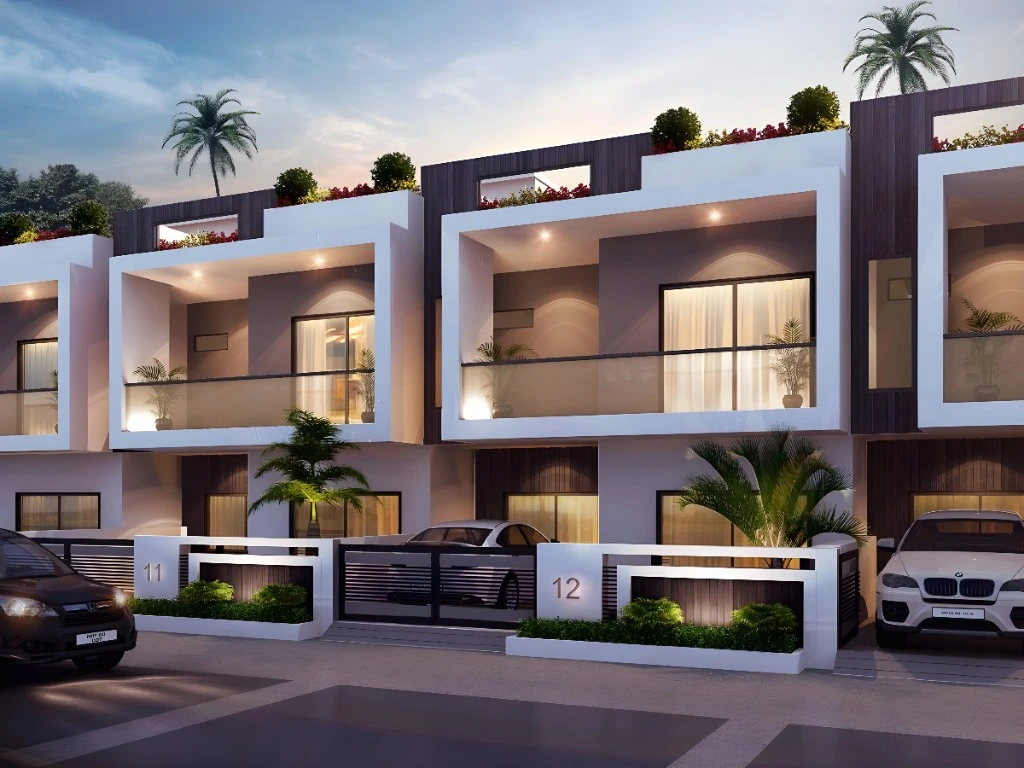
New Urban Housing Plans
Latest Rules for Unfinished Older Houses
The government has also decided to address incomplete houses sanctioned under earlier housing programmes.
According to the Cabinet announcement, assistance may be provided for houses started during the earlier Congress period but left unfinished.
The reported support includes:
These amounts apply to specific categories of unfinished houses. They should not be confused with the normal ₹5 lakh assistance for a newly sanctioned Indiramma house.
Affected families should wait for individual identification and approval instead of beginning work based only on a general announcement.
Current Indiramma Housing Payment Stages
The official district guidance lists four construction-linked instalments.
| Construction stage | Payment |
|---|---|
| Basement completed | ₹1,00,000 |
| Walls reach roof level | ₹1,00,000 |
| Roof slab completed | ₹2,00,000 |
| House completed in all respects | ₹1,00,000 |
| Total | ₹5,00,000 |
An inspection is normally required before each payment is processed. An engineer or authorised official may visit the site, take photographs, record the location, and update the construction stage.
Beneficiaries should inform the local housing official as soon as a stage is completed. Important work should not be covered before the inspection takes place.
Is ₹6 Lakh Available for SC and ST Beneficiaries?
Free Sand Support for Construction
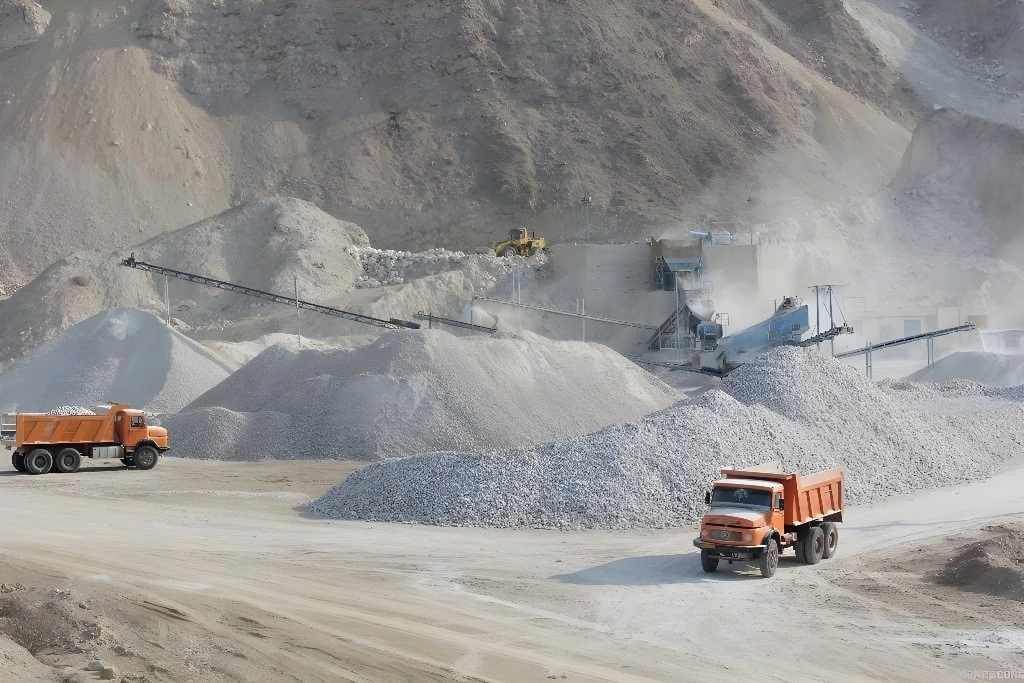
Never pay an unofficial person who promises faster sand delivery.
L2 and Other Application Categories
After the mobile survey and physical verification, applications were placed into different working
Appearing in a survey list is not the same as receiving a final construction sanction.
L1 generally includes eligible houseless applicants who already have a house site.
Once the homepage loads, find and click on the “Applicants” option to proceed further.
L2 generally includes houseless applicants who do not have a house site.
These applicants may need to wait for land identification, allotment, or an alternative housing arrangement.
Applicants with an existing permanent house, unclear land details, duplicate applications, or disputed information may require further checking.
Mobile App and Physical Verification Rules
The Indiramma Indlu mobile application is used by officials to verify applications and monitor construction.
The survey process can include:
A PMU circular issued in February 2025 clearly instructed officials that houses should be grounded only after administrative sanction.
Therefore, applicants should not begin construction simply because their names appear in an L1 list or local display.
Stronger District-Level Monitoring
Current Eligibility Conditions
The official district guidance lists the following broad conditions:
Final eligibility is decided through official verification. A ration card or Aadhaar card alone does not guarantee selection.
How to Check Your Latest Status
Applicants can check their records through the official Indiramma Indlu portal.
The application search facility allows a search using:
The result may show application, survey, land, eligibility, sanction, or payment information.
Applicants should also confirm the status with the Gram Panchayat, municipality, ward office, MPDO office, or district housing office.
What Beneficiaries Should Do Now
If your application is pending, follow these steps:
Important Difference Between an Order and an Announcement
FAQs
Conclusion
The Indiramma Housing Scheme Latest Government Orders and Update make it clear that beneficiaries should depend only on official sanction details and current government instructions before expecting any financial assistance amount. While some applicants may hear about revised support or higher benefits, the final amount is confirmed only through the approved order issued for their case. To avoid confusion, applicants should regularly check verified updates, keep their documents ready, and follow the official process carefully. This helps ensure that eligible families receive the right housing support under the Indiramma Housing Scheme without relying on assumptions or unofficial information.